Today's Runes for Edgar Allan Poe
| The Cross spread is used to plot the arc of your life and the forces acting on it. It is the most popular spread, giving a very complete view of the situation. Ice Runes are most commonly used for questions about struggle, conflict, and achievement. |
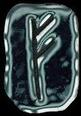
| The left rune represents an important element of the past. Fehu represents cattle the Norse symbol of wealth. This rune has some interesting implications based on the fact that cattle, unlike land, move about of their own accord. Cattle also reproduce, so this rune often speaks of wealth that renews or perpetuates itself. Wealth takes many forms, but this rune generally represents the value that is purely material or monetary in nature. Alternatively, this rune is deeply associated with Frey, and hence can be the harbinger of fertility and children. |
| The middle rune represents a deciding element of the present. Laguz is the rune representing water. Laguz is a strongly feminine rune, and like the ocean contains much power of an uncontrollable nature. Here the rune is seen in the reversed, symbolic of the ebbing tide. This may suggest power being drawn away, or may perhaps the start of a journey. Since this is a rune of sexual power, the reversal can also suggest sexual problems or dissatisfaction. |
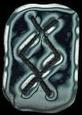
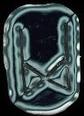
| The top rune represents a force that works for you. Inguz is the rune of completion and fertility. The presence of this rune suggests that tasks which have been initiated will come to fruition. This rune is associated with Ing and Frey, it is this connection that explains its connotations of both fertility and sexuality. The variant of this rune shown here is reminiscent of the twin strands of life, and of the challenge and rewards of bringing together things complimentary. |
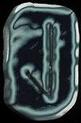
| The bottom Rune represents a force that works against you. Man refers to Mankind and your interaction with the whole of human population. This rune is reversed, suggesting a separation from your fellow man. There is a lack of harmony in your interaction with others, either because you do not accept society or society does not accept you. Alternatively, this rune may also represent your separation from nature, and your ability to rise above the base level of being. As the rune is reversed, this may suggest an incomplete level of spiritual attainment or an intellectual block. |
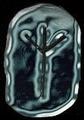
| The right rune represents the critical element of the future, at the core of the final outcome. Algiz can be easily recognized as the antlers of the elk that it represents. The elk can represent victory, but is much more appropriately associated with the thrill of the hunt itself. This rune therefore can portend vigor and success in active endeavors. Also, this rune seems symbolic of a hand with outstretched fingers - a protective hand. This hand may suggest that you will be shielded from things negative - the problems still exist, you are spared the brunt of their force. |
|
|