Today's Runes for Mohandas Gandhi
| The Cross spread is used to plot the arc of your life and the forces acting on it. It is the most popular spread, giving a very complete view of the situation. Jade Runes are most commonly used for questions about love, friendship, and relationships. |
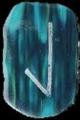
| The left rune represents an important element of the past. Laguz is the rune representing water. Laguz is a strongly feminine rune, and like the ocean contains much power of an uncontrollable nature. Here the rune is seen in the reversed, symbolic of the ebbing tide. This may suggest power being drawn away, or may perhaps the start of a journey. Since this is a rune of sexual power, the reversal can also suggest sexual problems or dissatisfaction. |
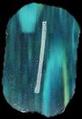
| The middle rune represents a deciding element of the present. Isa is the rune symbolizing Ice - cold, stagnant, frozen, and unchanging. This rune suggests heat removed not just from anger or conflict, but from passion as well. Paradoxically, Isa conveys images of slippery slopes and unsure footing, but also of circumstances that have crystallized and become utterly immutable. Remember that in the cold north, ice is not just THE challenge to be overcome, but the very nature of the environment. Be courageous, for you work against this element every day. Will you fight alone or with others against this, our common foe? Is there much worse than lack of change? |
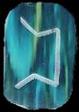
| The top rune represents a force that works for you. Perth, the rune of chance and gambling has been drawn reversed. This can have many possible meanings. It could represent secrets revealed or mysteries uncovered. It could be a warning against gambling - now might not be the time to take a chance. |
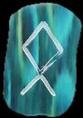
| The bottom Rune represents a force that works against you. Othila is the homeland. Land was the purest form of immovable wealth in Norse civilization, distinct from the movable wealth represented by Fehu. This rune speaks of stability and safety stemming from inheritance, both material and genetic. With respect to the question asked, consider the background of the people and families involved... |
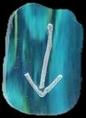
| The right rune represents the critical element of the future, at the core of the final outcome. Tyr was the Norse god of war. It was through his sacrifice that the great force of chaos, the wolf Fenrir was bound. Here however, you have drawn the rune reversed. This could mean that a sacrifice made will not lead to the desired result. It could also mean a loss, or a victory overturned. This rune warns against entering into conflicts or negotiations, especially ones requiring that an offering or concession be made - the wolf might take your hand and yet remain unbound. Note also that Tyr was the god of law, so there is a suggestion of a wrongdoer who will avoid justice. |
|
|