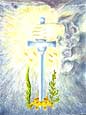
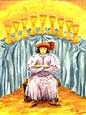
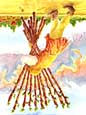
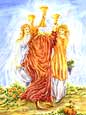
| The Hagall spread is a tool for revealing the path of spiritual growth in difficult situations. It is a favorite of mystics and those confronting a major life challenge. The Aquatic Tarot is a modern watercolor interpretation of the classic Rider Waite symbolism. It is rapidly becoming one of the most popular decks, due to both its spectacular beauty and its traditional imagery. |
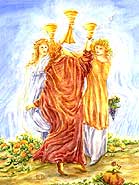 | The card in the middle of the circle represents the core or central issue of the situation. Three of Cups (Abundance): A time of merriment and reflection spent in the company of friends and loved ones. The conclusion of a matter in plenty and perfection. The strength of a diverse community being brought together. May suggest a celebration, festival, anniversary, wedding, baby shower, or other joyous gathering. |
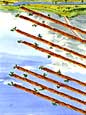
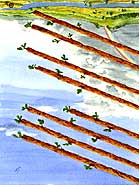 | The card at the bottom of the circle represents something you did to bring the situation about. Eight of Wands (Swiftness), when reversed: Too much force applied too suddenly. A flash in the pan. A foolhardy and untimely plunge into the unknown. Impatience leading to poor decisions in love, business, travel, or spiritual growth. |
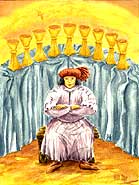 | The card at the bottom left of the circle represents your beliefs, impressions, or expectations. Nine of Cups (Happiness): Contentment and satisfaction in romance, friendship, or other relationships. Achieving your deepest desires and savoring beauty and sensual pleasures. A state of joy and abundance radiating fulfillment and bliss. |
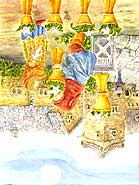 | The card at the bottom right of the circle represents the most likely outcome of the situation given present circumstances. Six of Cups (Pleasure), when reversed: Closing your heart to the simple pleasures of life. Escaping realities by living in the past. Refusal to grow up and embrace the joys of adulthood. Contempt for acts of gentle kindness. May indicate immaturity or sexual insecurities. May indicate the departure of an old friend. |
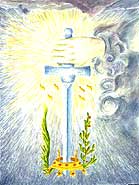 | The card at the upper left of the circle represents the spiritual history of the situation the things you've learned. Ace of Swords, when reversed: The seed of defeat - perhaps as yet unseen. A challenge met with the invocation of force, leading to disastrous results. Reason and intelligence misdirected or cast aside, resulting in injustice and falsehood. An excessive power abused. May suggest new ideas or information with dangerous implications. |
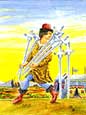
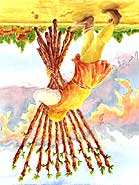 | The card at the top of the circle represents the spiritual tasks and challenges of the present situation. Ten of Wands (Oppression), when reversed: Refusing to take on burdens greater than you can carry. Noble leadership restrained from transforming into tyranny. Bearing the weight of ultimate responsibility without being crushed. Through careful conservation of their fuel, the engines of creation continue onward. |
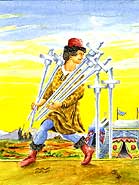 | The card at the upper right of the circle represents the metamorphosis of the spiritual situation, and how your knowledge will evolve. Seven of Swords (Futility): An opportunity to withdraw from a hopeless situation and fight another day. Disengagement from a struggle you should never have been involved in. A desperate attempt to resolve a matter without conflict. The use of cleverness or outright deception to turn the tide in your favor. |
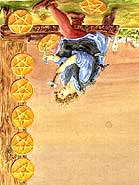 | The card at the left of the lower line represents the person or qualities that will sustain your spiritual journey. Eight of Pentacles (Prudence), when reversed: Undue attention to small details at the expense of the big picture. Losing yourself in your work, to the detriment of your personal and spiritual life. Making the same mistake repeatedly. Refusing to learn new crafts or skills. |
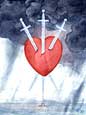
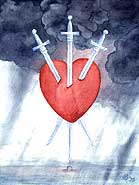 | The card in the middle of the lower line represents the qualities that you express in this circumstance. Three of Swords (Sorrow): Unsettling news leading to heartbreak or loneliness. Tactless or hurtful words. Acting without consideration for the emotions of others. Betrayal of trust or confidence. The revelation of a painful truth. |
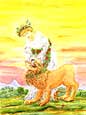
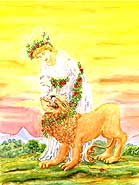 | The card at the right of the lower line represents the person or qualities that will reveal spiritual knowledge. Strength: Raw power. Health and physical fortitude. A surge of tremendous force. Recovery from sickness. Victory after apprehension and fear. The ability to face and overcome opposition brings the inner qualities of strength and forbearance. Delays and setbacks will be overcome. |