| The Celtic Cross spread is one of the most popular Tarot spreads, providing varied insight into many aspects of a complex situation and your role in it. The Palladini Tarot was created to "bridge the ancient and the future", using elements of Medieval, Egyptian and modern art. It is one of the most popular decks among new students of Tarot. If you would like your own copy of the Palladini Tarot, you can buy it now! |
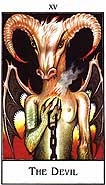 | The card not shown but at the center of the cross, represents the atmosphere surrounding the central issue. The Devil: Being seduced by the material world and physical pleasures. Lust for and obsession with money and power. Living in fear, domination and bondage. Being caged by an overabundance of luxury. Discretion should be used in personal and business matters. |
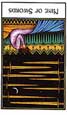
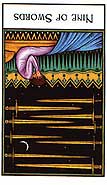 | The card visible at the center of the cross represents the obstacle that stands in your way - it may even be something that sounds good but is not actually to your benefit. Nine of Swords (Cruelty), when reversed: Mental anguish or ill health endured and overcome. Refusal to be dragged down by the dishonor of others. Attempting to avert a shameful or regrettable act. Faithfulness, patience and unselfishness. May indicate the narrow avoidance of a death or other catastrophic loss. |
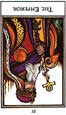
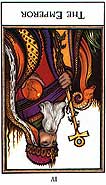 | The card at the top of the cross represents your goal, or the best you can achieve without a dramatic change of priorities. The Emperor, when reversed: Weakness in character leading to tyranny and abuse of worldly power. Loss of confidence and ambition, coupled with the cold execution of the unthinkable. The inability to carry out plans or command respect. Being unreasonable and prone to fits of rage. A deceiver or demagogue. |
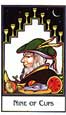
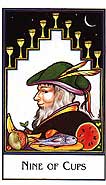 | The card at the bottom of the cross represents the foundation on which the situation is based. Nine of Cups (Happiness): Contentment and satisfaction in romance, friendship, or other relationships. Achieving your deepest desires and savoring beauty and sensual pleasures. A state of joy and abundance radiating fulfillment and bliss. |
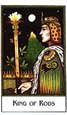
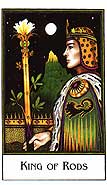 | The card at the left of the cross represents a passing influence or something to be released. King of Rods: The essence of fire behaving as air, such as lightning: A great and daring leader who inspires others to rise to challenges alongside him. An artist who can take hold of an idea and make it a reality through bold action. One who is forceful, charismatic, and honest, leading by example, but unafraid to invest authority in others. A dashing and magnetic personality, carrying authority naturally, and striking at the world with swiftness and grace. |
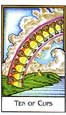
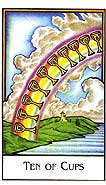 | The card at the right of the cross represents an approaching influence or something to be embraced. Ten of Cups (Satiety): Fulfillment and joy in life and love. Feeling peace, tranquility, and contentment in friends and family. Taking delight in one's good fortune. |
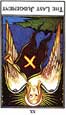
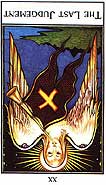 | The card at the base of the staff represents your role or attitude. The Judgment, when reversed: Procrastination and indecision. Disillusionment and the inability bring a matter to conclusion. |
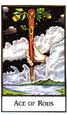
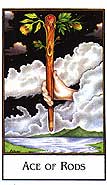 | The card second from the bottom of the staff represents your environment and the people you are interacting with. Ace of Rods: The seed of a new venture - perhaps as yet unseen. An opportunity to be met with boldness, vigor, and enthusiasm. The herald of birth, invention, or entrepreneurship. An innate and primal force released. May suggest a surge of vitality, creativity, or fertility that can set things in motion. |
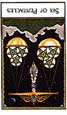
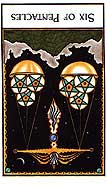 | The card second from the top of the staff represents your hopes, fears, or an unexpected element that will come into play. Six of Pentacles (Success), when reversed: Insolence and conceit with material things. Overconfidence, bad investments, and imprudent handing of acquired wealth. Contempt for those less fortunate. Deception and petty disputes driven by greed and envy. |
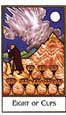
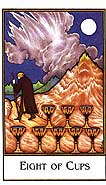 | The card at the top of the staff represents the ultimate outcome should you continue on this course. Eight of Cups (Indolence): Losing interest in a matter deeply important to you. Being forced to abandon something in which you had invested great love and devotion. Seeking earthly, physical pleasures, to the exclusion of spiritual growth and emotional fulfillment. Emotional withdrawal and lethargy. |