Today's Tarot for Jayne Mansfield
| The Two Paths spread provides insight into an important decision ahead of you, the possible outcomes, and the forces that draw you towards each of these outcomes. The Palladini Tarot was created to "bridge the ancient and the future", using elements of Medieval, Egyptian and modern art. It is one of the most popular decks among new students of Tarot. If you would like your own copy of the Palladini Tarot, you can buy it now! |
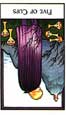
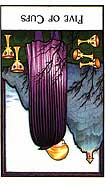 | The top left card represents the first possible outcome. Five of Cups (Disappointment), when reversed: Accepting a loss. Overcoming sadness and grief to get on with your life. Realizing the value of what you still have. Dissatisfaction gives way to a new hope and understanding. May allude to a broken relationship or tragedy. May also refer to a gift, inheritance, opportunity, partnership, or marriage that has fallen below expectations. |
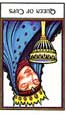
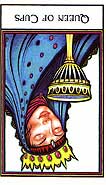 | The top right card represents the second possible outcome. Queen of Cups, when reversed: The dark essence of water, such as a deep and foreboding lake: Discomfort with the worlds of mind and matter, leading to a retreat to the spiritual. The embrace of negative relationships, driven by the desperate fear of being alone. Devotion to fantasies and daydreams, to the exclusion of practical skills or the pursuit of knowledge. Insecurity leading to dishonor, vice, and undue susceptibility to outside influences. |
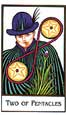
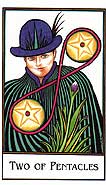 | The middle left card represents the force drawing you towards the first possible outcome. Two of Pentacles (Change): Balance and harmony achieved in a time of upheaval and transformation. Taking two steps forward for every one step back. Shifting the importance of projects and priorities to keep everything on track. A change in occupation or location. |
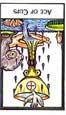
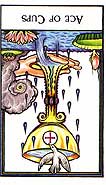 | The middle right card represents the force drawing you towards the second possible outcome. Ace of Cups, when reversed: The seed of a destructive relationship or spiritual collapse. A missed opportunity for joy, contentment, fertility, or enlightenment. Failing to understand the emotional needs of those around you. May represent an unexpected message, a chance meeting, or the start of a friendship or romance. |
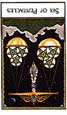
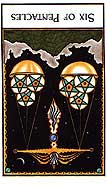 | The bottom card represents the critical factor that decides what will come to pass. Six of Pentacles (Success), when reversed: Insolence and conceit with material things. Overconfidence, bad investments, and imprudent handing of acquired wealth. Contempt for those less fortunate. Deception and petty disputes driven by greed and envy. |
|
|