Today's Tarot for Kim Jong Il
| The Hagall spread is a tool for revealing the path of spiritual growth in difficult situations. It is a favorite of mystics and those confronting a major life challenge. The Lovecraft Tarot is a tribute to the gothic writings of the visionary H.P. Lovecraft. It is the deck of choice for explorers of the macabre, and for posing questions that should never be asked. If you would like your own copy of the Lovecraft Tarot, you can buy it now! |
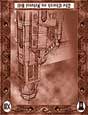
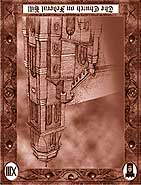 | The card in the middle of the circle represents the core or central issue of the situation. Queen of Sites (The Church on Federal Hill), when reversed: The dark essence of earth behaving as water, such as ice: A cold but generous host, driven by an overwhelming need for to accumulate and maintain opulence. A person so preoccupied with wealth and security that they can never stop to enjoy either. One who reflects the weaknesses of others, breeding suspicion and mistrust. |
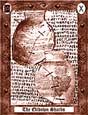
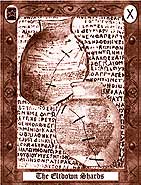 | The card at the bottom of the circle represents something you did to bring the situation about. Ten of Tomes (The Eltdown Shards): Success and gain, leading you to take on a burden greater than you can carry. Noble leadership transformed, through lack of restraint, into tyranny. The crushing weight of ultimate responsibility. Having spent their fuel, the engines of creation grind to a halt. |
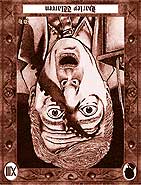 | The card at the bottom left of the circle represents your beliefs, impressions, or expectations. Queen of Man (Harley Warren), when reversed: The dark essence of water, such as a deep and foreboding lake: Discomfort with the worlds of mind and matter, leading to a retreat to the spiritual. The embrace of negative relationships, driven by the desperate fear of being alone. Devotion to fantasies and daydreams, to the exclusion of practical skills or the pursuit of knowledge. Insecurity leading to dishonor, vice, and undue susceptibility to outside influences. |
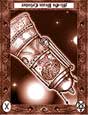
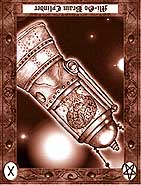 | The card at the bottom right of the circle represents the most likely outcome of the situation given present circumstances. Ten of Artifacts (Mi-Go Brain Cylinder), when reversed: The darkness before the dawn. An end to suffering, leading to spiritual transformation. A crushing and seemingly total defeat that hides within it the seeds of final victory. Ultimate knowledge gained through ultimate sacrifice. |
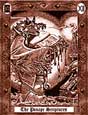
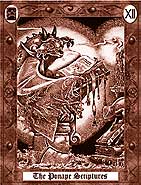 | The card at the upper left of the circle represents the spiritual history of the situation the things you've learned. Knight of Tomes (The Ponape Scriptures): The essence of fire, such a great conflagration. One filled with vitality and passion for life. A sexy and exciting person, daring in their actions, cocky in their attitude, and utterly without fear. Absolute sincerity, coupled with violent emotions that swing wildly from one extreme to another. Boundless creativity and lust for a change of both pace and place. The rapid approach, or more likely departure, of something that sets your world ablaze. Often suggests travel or escape. |
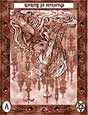
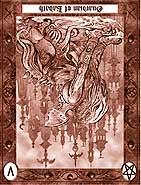 | The card at the top of the circle represents the spiritual tasks and challenges of the present situation. Five of Artifacts (Guardian of Kadath), when reversed: Refusing to achieve success through personal degradation. Friendship maintained through the abandonment of a dishonorable gain. Slander and infamy avoided. |
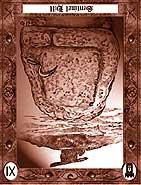 | The card at the upper right of the circle represents the metamorphosis of the spiritual situation, and how your knowledge will evolve. Page of Sites (Sentinel Hill), when reversed: The dark essence of earth, such as a chasm: Unfavorable news about business, finance, or the physical world. One who delights in all forms of luxury and physical excess, leaving practical matters unattended. Irrationality and failure to recognize obvious facts, coupled with a poor work ethic. Wastefulness, lack of focus, and loss. May portend the loss of a job or promotion. |
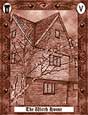
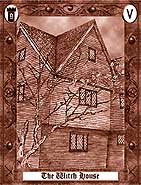 | The card at the left of the lower line represents the person or qualities that will sustain your spiritual journey. Five of Sites (The Witch House): Hard times brought on by addiction, wasteful spending, ill health, or an outside event. Rejection, loneliness, and the need for comfort. May suggest unemployment, a catastrophe in personal finance, or a turn for the worse in business. |
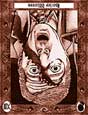
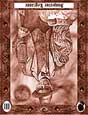
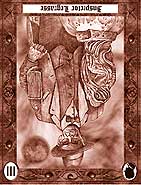 | The card in the middle of the lower line represents the qualities that you express in this circumstance. Three of Man (Inspector Legrasse), when reversed: A time of shallow overindulgence, followed depletion. The successful but utterly unfulfilling conclusion of a matter. Satisfaction from sensual pleasures divorced from any sense of love. May indicate problems prematurely dismissed or a victory claimed before it is certain. |
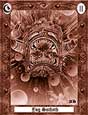
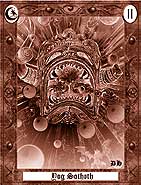 | The card at the right of the lower line represents the person or qualities that will reveal spiritual knowledge. Yog Sothoth: A pure, exalted and gracious influence. Education, knowledge, wisdom, and esoteric teachings. The forces of nature. Intuition, foresight, and spiritual revelation of the most mysterious and arcane sort. |
|
|